
Our research projects:

Next-Generation Antibiotics for Drug-Resistant Priority Bacteria
We develop efflux-resistant antibiotics using our proprietary ERB technology to tackle multidrug-resistant Gram-negative pathogens. Our projects target respiratory infections, ESKAPE pathogens, and melioidosis, aiming to overcome efflux-mediated resistance and expand treatment options.

Novel Antifungal Agents for Multidrug-Resistant Fungal Pathogens
We design ERB-modified azole antifungals that retain activity against fungal targets while resisting efflux. These new compounds re-sensitise resistant strains such as Candida auris and C. glabrata, offering a promising route to next-generation antifungal therapies.

Innovative Payloads for Antibody–Drug Conjugates (ADCs)
We are developing efflux-resistant ADC payloads and entirely new cytotoxic scaffolds to overcome chemoresistance in cancer. By combining medicinal chemistry with transporter biology, our goal is to deliver more durable and effective ADC-based therapies.

Targeted Protein Degraders (PROTACs) as Anticancer Therapeutics
Our PROTAC projects focus on improving drug-like properties, mapping off-target effects, and developing degraders of NF-κB proteins such as RelA/p65. These efforts aim to create novel treatments for cancers and inflammatory diseases with limited options.
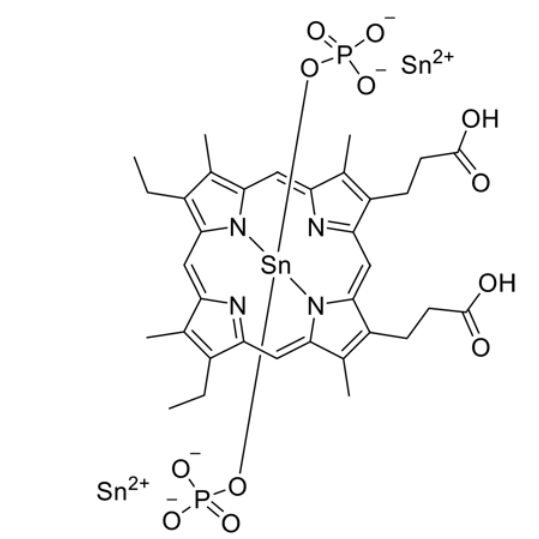
Heme Oxygenase-1 (HO-1) Inhibitors for Cancer Immunotherapy
We develop small-molecule HO-1 inhibitors that enhance the effectiveness of chemotherapy and immune attack. Current efforts focus on brain-penetrant molecules for treatment-resistant tumours, building on strong preclinical validation and recent Science Translational Medicine findings.

New Therapeutic Strategies Against Tuberculosis
Our TB projects explore oxicam analogues, nitrofuran isooxazolines, and metabolite mimics to tackle MDR and XDR TB. By potentiating existing drugs and developing new scaffolds, we aim to shorten regimens and combat resistance.
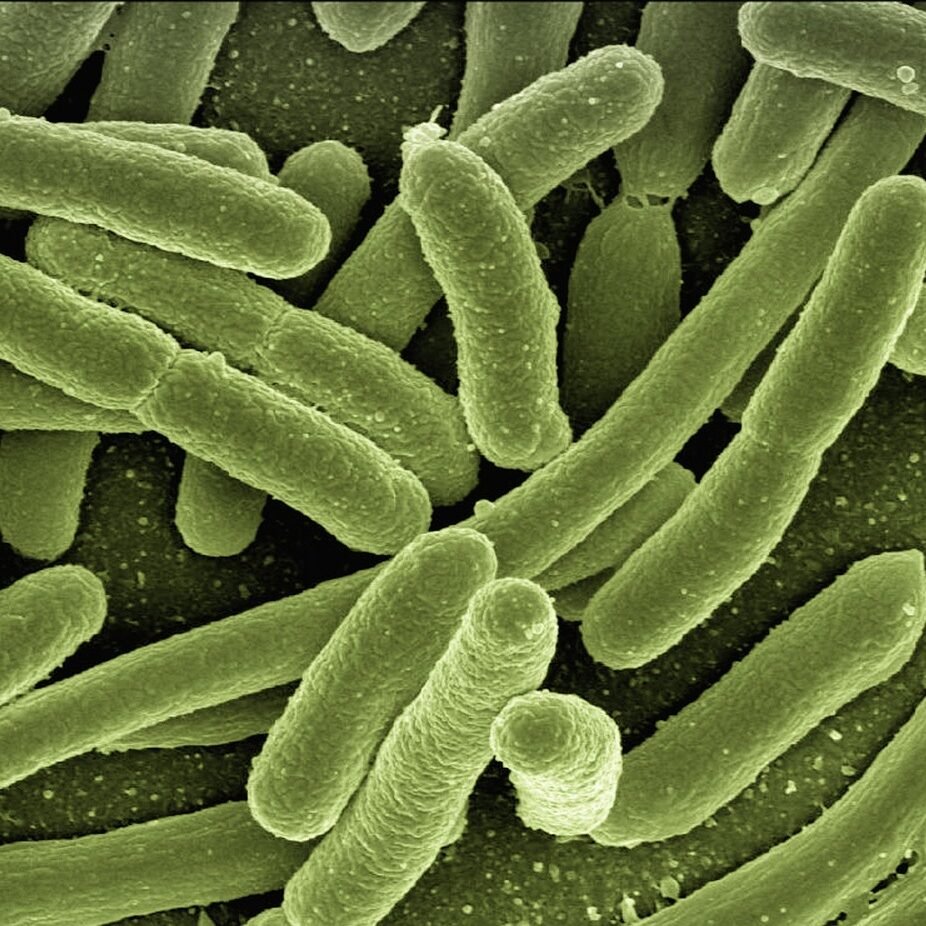
Designing Permeation Rules for Gram-Negative Bacteria
We are defining predictive rules for antibiotic penetration across Gram-negative membranes, a critical barrier in drug discovery. Using chemical probes, computational modelling, and ERB technology, we aim to establish design principles that guide next-generation antibiotic development.

